Oxycodone
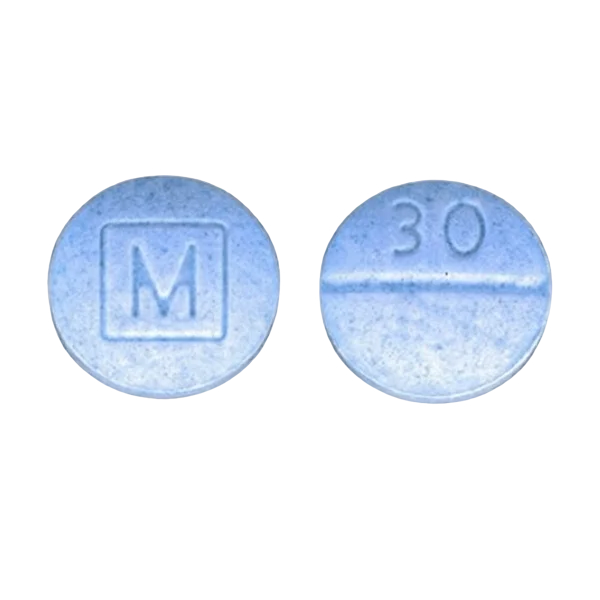
Oxycodone 80mg / 30mg is a prescription opioid medicine used for the management of moderate to severe pain. It provides fast-acting relief and should be used strictly under medical supervision.
Brand: Oxycodone
Strength: 80mg / 30mg
Generic: Oxycodone Hydrochloride
Use-case: Moderate to severe pain relief, post-surgery pain, chronic pain management

Prescription Verified
Genuine Medicines
Secure Payments
Discreet Packaging
Fast Delivery
Prescription Verified
Genuine Medicines
Secure Payments
Discreet Packaging
Fast Delivery
Oxycodone 80mg / 30mg is a potent opioid analgesic prescribed for moderate to severe pain that cannot be managed with non-opioid painkillers. It works by binding to opioid receptors in the brain and spinal cord, blocking pain signals and altering the perception of pain.
This medicine is commonly used for conditions such as post-operative pain, cancer-related pain, severe musculoskeletal injuries, and chronic pain disorders. Oxycodone provides rapid pain relief, helping patients regain mobility and comfort while maintaining quality of life.
Due to its high potency and risk of dependence, Oxycodone should be taken strictly according to doctor’s instructions, and patients must be monitored closely for signs of misuse or side effects. It is usually prescribed for short-term use, but in chronic pain cases, long-term use is carefully supervised.
-
Dosage is highly individualized and prescribed by a doctor based on pain severity, patient tolerance, and previous opioid use.
-
Oxycodone 30mg is typically used for moderate pain, while Oxycodone 80mg is reserved for severe or chronic pain under strict supervision.
-
Tablets should be taken exactly as prescribed; do not crush, chew, or break extended-release formulations.
-
Avoid exceeding the prescribed dose to prevent overdose, respiratory depression, or dependence.
-
Duration of use is usually short-term for acute pain; long-term use is closely monitored by healthcare professionals.
Tip: Take with food or milk if it causes stomach upset, and always maintain consistent dosing intervals.
-
Swallow tablets whole with a full glass of water.
-
Extended-release tablets should never be crushed or chewed, as this can release a potentially dangerous dose at once.
-
Avoid alcohol, sedatives, or other opioids while taking Oxycodone.
-
Monitor for dizziness, drowsiness, or mood changes, and contact your healthcare provider if they persist.
-
Store safely and keep track of your doses to prevent accidental misuse or overdose.
-
Do not stop abruptly after prolonged use; gradual tapering may be needed under medical supervision.
Oxycodone is designed to provide effective pain relief, improve mobility, and enhance quality of life for patients suffering from moderate to severe pain.
-
Prescription required; never self-medicate.
-
Not suitable for individuals with respiratory depression, severe asthma, paralytic ileus, or history of substance abuse.
-
May cause drowsiness, constipation, nausea, or impaired coordination; avoid driving or operating machinery.
-
Elderly patients may require lower doses due to increased sensitivity.
-
Pregnant or breastfeeding women must consult a healthcare professional.
-
Long-term or high-dose use can result in dependence, tolerance, or overdose.
-
Inform your doctor about all other medications to avoid harmful interactions.
Common Side Effects:
-
Drowsiness or fatigue
-
Nausea and vomiting
-
Constipation
-
Dizziness or lightheadedness
-
Dry mouth
Serious Side Effects (Seek Immediate Help):
-
Severe allergic reactions (rash, swelling, difficulty breathing)
-
Respiratory depression (slow or shallow breathing)
-
Extreme drowsiness or confusion
-
Dependence or withdrawal symptoms after prolonged use
-
Heart palpitations or severe hypotension
Contact your healthcare provider immediately if any serious side effects occur.
-
Store at room temperature (20–25°C), away from heat, moisture, and sunlight.
-
Keep out of reach of children and pets to prevent accidental ingestion.
-
Dispose of unused or expired tablets safely according to local pharmacy or municipal guidelines.
-
Never share prescription medication with others.
Proper storage ensures safety, potency, and effectiveness of the medication.
Related products
-
Ambien 10mg
$80.00 – $200.00Price range: $80.00 through $200.00This product has multiple variants. The options may be chosen on the product page -
Ksalol 1mg
$324.00 – $549.00Price range: $324.00 through $549.00This product has multiple variants. The options may be chosen on the product page -
Ativan
$324.00 – $499.00Price range: $324.00 through $499.00This product has multiple variants. The options may be chosen on the product page